What each job needs, and what $25 buys for it
Oil, pores and general unevenness — niacinamide
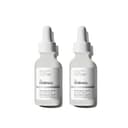
Niacinamide is the best-value active in skincare, and that is not a budget-page consolation. Published reviews support it on barrier function, sebum, pigmentation and fine lines, and it is well tolerated at the concentrations sold over the counter. It also layers with everything, which makes it the safest first serum anyone can buy. Both niacinamide picks here state 10%, which is the standard working level; above that you buy flushing rather than results. Our niacinamide percentages guide explains why, and best niacinamide serums ranks the shelf without a price cap.
Fine lines and photoaging — retinol
The strongest evidence of anything on this page. Retinol is the best-evidenced over-the-counter anti-aging active there is, and The Ordinary’s 0.5% in squalane is the cheapest way to buy it with the dose printed on the bottle — which almost no drugstore retinol does. Buy the strength you can tolerate, not the strongest one: start twice a week and build. Retinol strengths has the tiers and best retinol under $25 ranks that single step at this cap in detail.
Dullness and antioxidant protection — vitamin C
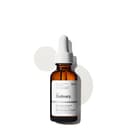
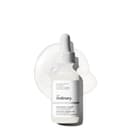
Here the cap costs you something real, and it is worth being precise about what. The best-evidenced vitamin C formulations are L-ascorbic acid at 10–20% at a low pH, ideally with vitamin E and ferulic acid alongside it, and the well-formulated versions of that mostly sit above $25. The Ordinary’s 23% suspension is the pick here because it is a stated L-ascorbic acid concentration at a price nothing else matches — with the honest trade that it is a silicone-based suspension with a gritty feel rather than an elegant watery serum, and that very high L-ascorbic percentages are not more effective than 15%, just more irritating. Our best vitamin C serums page ranks the whole shelf including the better-formulated ones above this cap, and vitamin C 10% vs 20% explains why higher is not better.
Dehydration and tightness — hyaluronic acid
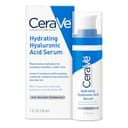
A hydrating serum is not an active in the same sense as the others: it draws water into the outer layers and makes skin look plumper while it is there. That is a real effect, it is immediate, and it is cheap. The CeraVe pick adds ceramides and vitamin B5 to the hyaluronic acid, which is the difference between hydration and hydration you keep — and it is the one pick here that genuinely belongs in almost every routine. Apply it to damp skin and seal it with a moisturizer, or it does the opposite of what you wanted in dry air; how to use hyaluronic acid covers that properly.
Firmness — peptides
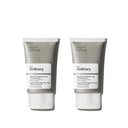
Peptides are the lowest-irritation addition on this page and the one with the softest evidence: published systematic reviews are cautiously positive on firmness and barrier measures while noting that the trials are small, short and often supplier-run. The Ordinary’s Multi-Peptide + HA names seven signal peptides, which is more disclosure than most of the category offers at any price. If you want to see the whole shelf, best peptide serums under $50 doubles this cap and finds that almost nothing changes.
Dark spots and post-acne marks — a discoloration serum
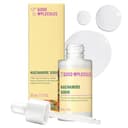
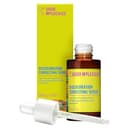
For old marks rather than general dullness, the useful actives are tranexamic acid, azelaic acid and niacinamide, usually in combination. The Good Molecules pick here pairs a tranexamic acid derivative with niacinamide at a price that makes a three-month trial painless, which matters because pigmentation moves slowly. Published evidence supports tranexamic acid in melasma across oral and topical routes. Sunscreen is not optional alongside any of this — without it you are treating and re-causing the same marks. Our tranexamic acid serum picks rank that active on its own and skincare for dark spots builds the whole routine.
The one slot $25 cannot fill
A well-formulated L-ascorbic acid vitamin C serum. Everything else on this page is genuinely as good as what sits above the cap — niacinamide, retinol, hyaluronic acid and peptides are commodity actives and the cheap versions publish their numbers more often than the expensive ones do. Vitamin C is the exception, because stability is the whole game: L-ascorbic acid oxidises, and keeping it stable at a low pH with the antioxidant partners that make it work is formulation engineering that costs money. The $25 pick here is a real stated concentration and a genuine bargain; it is also grittier and less pleasant than a $35 serum, which on a product you have to use daily for months is not nothing.
Our honest recommendation if your budget is tight: buy the niacinamide, the retinol and the hyaluronic acid here, put the saved money into sunscreen, and leave vitamin C until you can spend thirty-five dollars on it. Sunscreen does more for tone and photoaging than any serum on this page.
How to use several of these at once
Thinnest to thickest, water before oil, and not all of them in one go. A sensible build from this page is niacinamide or hyaluronic acid in the morning under sunscreen, and retinol at night. Vitamin C goes in the morning if you use it. Add one new serum at a time and give it two weeks before the next, because five serums introduced on the same Monday guarantee you will not know which one your skin objected to. Our layering guide has the order, how to introduce new actives has the schedule, and the conflict chart has the few combinations worth keeping apart.
One practical note on cost: these are all 30 ml bottles, which is about two months of twice-daily use for a single serum. The table above gives the cost per millilitre so you can see what a year of each habit actually costs — the cheapest pick here works out at a fraction of the dearest, for the same stated active.