What you are actually trying to replace
Three separate things, and most “dupe” lists treat them as one.
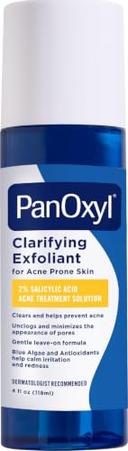
1. The acid, at a number you can check.Salicylic acid is a beta hydroxy acid, and the FDA’s own cosmetic ingredient page is where the category is defined. The useful property is that it is oil-soluble, which is why Paula’s Choice can say it “is able to penetrate skin’s oil to exfoliate the pore lining”. A water-soluble AHA cannot do that, which is why a BHA beats a glycolic toner on blackheads and loses to it on sun damage. Two percent is the working strength and also the US over-the-counter maximum for a leave-on acne product, so a bottle claiming more is either not salicylic acid or not a US OTC drug. Four of the six picks below state a real 2%.
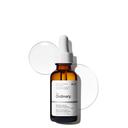
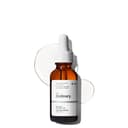
2. The pH.This is the part that gets dropped. An acid only works as an acid when enough of it is in its free form, and pH is what decides that. The original’s published commitment to a pH of 3 to 4 is a real, checkable claim, and almost none of its cheaper rivals make it: PanOxyl publishes no pH, Naturium publishes no pH, COSRX publishes no pH. That is not a reason to avoid them, but it is the honest reason a premium-priced bottle can still be worth the money to someone. The one bottle here that sidesteps the question entirely is The Ordinary’s anhydrous solution — there is no water in it, so there is no pH at all, which is also why we refuse to compare its 2% directly with a water-based 2%.
3. The vehicle. The original is a thin, watery liquid you wipe on with a cotton pad or fingertips. That format is half of why people like it: it disappears, and it layers under anything. An oil-serum, a lotion and a humectant-heavy liquid all feel different on the face even at the same stated percentage, and that difference matters more day to day than a decimal point of acid. Our salicylic acid percentages guide covers what each strength is actually used for.
How we picked, in order
The ranking criteria, applied in this order and nothing else:
- Does the brand state a percentage?A published 2% beats an unpublished “BHA complex” every time, because it is the only number you can hold anyone to.
- Is it the same ingredient? Salicylic acid and betaine salicylate are not interchangeable, and a 4% of one is not stronger than a 2% of the other. See the COSRX entry.
- Cost per milliliter, not cost. A 30 ml dropper at a few dollars is more expensive per use than a 118 ml bottle at drugstore money. Live prices sit on each card; the arithmetic changes when they do.
- What the base adds or costs you.Humectants and soothing agents are worth something. So is an honest fragrance-free claim — and where a brand does not make one, we say so instead of inferring it from the list.
- Format fit. A 118 ml bottle is the only sensible way to treat a back. A 30 ml dropper is the only sensible way to spot-treat a nose.
The one number on this page that is not what it looks like
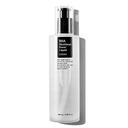
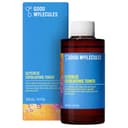
The COSRX bottle says BHA 4%. That 4% is betaine salicylate — salicylic acid bonded to betaine — not salicylic acid. The two are different ingredients measured on different scales, so a 4% betaine salicylate is not double a 2% salicylic acid, and the common reading of that label as “twice the strength for less money” is simply wrong. In practice it behaves as the gentlest BHA here, which is exactly why we picked it for skin that a straight 2% has already upset. We would rather tell you what the number is measuring than let the label do the arguing.
What no alternative gives you
Two things, and they are worth naming before you spend anything.
The first is the published pH commitment. Paula’s Choice says in print that its BHA exfoliants are formulated inside the pH 3-to-4 window. None of the cheaper bottles here say that about themselves. They may well be formulated just as sensibly — we have no evidence either way, and we are not going to invent any — but an unstated pH is an unstated pH.
The second is the quantity-plus-format combination at a known formulation. The original is 118 ml of watery liquid from a brand that publishes its reasoning. Only two picks here match that volume, and neither publishes a pH. That is the trade, stated plainly.
Staying put is a legitimate option. If the bottle you have is working on your blackheads, the cheapest thing you can do is finish it.
How to switch without wrecking your face
Whichever bottle you move to, treat it as a new active rather than a refill. Use it two or three nights a week for the first two weeks, on dry skin after cleansing, and give it a few minutes before your moisturizer. Do not stack it with retinol on the same night while you are settling in — our what not to mix with salicylic acid guide covers the combinations that cause most of the trouble, and signs of over-exfoliation covers what it looks like when you have gone too fast. Sunscreen every morning is not optional with any acid in the routine.
One more thing specific to this swap: a BHA works on the inside of pores, so the first couple of weeks can look worse before they look better as congestion clears. That is different from irritation, and purging versus a breakout is the page that tells the two apart.