Barrier & Balm

Best Exfoliating Toners

Six acid toners across glycolic, lactic, mandelic and BHA, ranked on stated percentage and cost per millilitre — plus the one label number that is not what it looks like.

By Stephen V.Last updated How we pick

The short answer

Top pick

For normal to oily skin that wants a nightly acid without thinking about it: a stated 7% glycolic acid in a 240 ml bottle, which is twice the liquid of most rivals.

Budget pick

The cheapest bottle here and the gentlest, at a stated 3.5% glycolic with a little BHA alongside it — the right first acid toner.

Prices live from the retailer as of November 25, 2026. We own none of these units and have tested none of them — the ranking is built from published formulation facts.

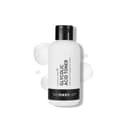
Buy The Ordinary Glycolic Acid 7% Exfoliating Toner if your skin is normal to oily and you want a nightly acid: it states its strength, it comes in 240 ml rather than the 100 ml most brands sell, and it works out cheaper per millilitre than anything else on this page. The budget pick is Good Molecules Glycolic Exfoliating Toner at a stated 3.5% glycolic acid — lower strength, lower price, and the right place to start if you have never used an acid. If your skin is reactive or pigmentation-prone, skip both and take the Paula’s Choice 6% mandelic and 2% lactic liquid instead.

An “exfoliating toner” is just a watery leave-on acid, and the format matters more than it sounds. Because it is thin and cheap per use, people apply it over the whole face with a cotton pad most nights — which is a very different exposure from dotting an expensive serum on. That makes two things worth getting right: the acid and the stated percentage. The acid decides how deep it goes and how much it stings; the percentage decides whether you can step up on purpose later.

Four acids appear below. Glycolic is the smallest AHA molecule, which is why it is the most effective on surface texture and also the most likely to sting. Lactic is larger and gentler and draws water in as it goes. Mandelic is larger still and diffuses more slowly, which is why it suits reactive and pigmentation-prone skin. Salicylic acid is the BHA: oil soluble, so it is the one that gets into a pore rather than working across the surface. One of the bottles here declares a number that is not on the same scale as the others, and we say so in its write-up rather than letting it rank unchallenged.

How this is funded: we earn a commission if you buy through our links, at no extra cost to you. It never changes which product we recommend, and we’ll tell you when we’d skip one. Full disclosure.

Quick picks

Ranked on formulation, stated concentration and buyer fit. Select a row to jump to the full write-up. We have not tested these products — here is exactly what we do instead.

#ProductBest forPrice
1
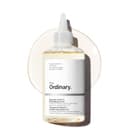
The Ordinary Glycolic Acid 7% Exfoliating Toner

The Ordinary Glycolic Acid 7% Exfoliating Toner

A cult budget AHA toner — a stated 7% glycolic for surface smoothing and glow. Potent for a 'toner'; it is a real exfoliant, so treat it like one and don't use it nightly at first.

Best overall exfoliating toner
$13.50 · View on Amazon

Price as of November 25, 2026. #ad How we’re funded

2
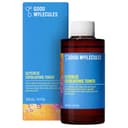
Good Molecules Glycolic Exfoliating Toner

Good Molecules Glycolic Exfoliating Toner

The only toner here that prints its glycolic percentage inside the ingredient list itself — 3.5%, which is deliberately low — and then spends the rest of the formula on niacinamide, hyaluronic acid and ferment filtrate. It is the one to start on, and the one to stay on if acids have gone badly for you before.

Budget pick, best first acid
$9.99 · View on Amazon

$14.0029% off

Price as of November 25, 2026. #ad How we’re funded

3
The INKEY List 10% Glycolic Acid Toner

The INKEY List 10% Glycolic Acid Toner

The highest stated glycolic strength here, and one of only two toners on this page whose brand also publishes a pH range. That combination is what makes it recommendable rather than just strong — but the base is astringent, and The INKEY List itself says to keep it away from sensitive skin.

Strongest stated glycolic
$18.00 · View on Amazon

Price as of November 25, 2026. #ad How we’re funded

4
COSRX AHA 7 Whitehead Power Liquid

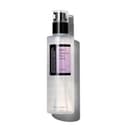
COSRX AHA 7 Whitehead Power Liquid

Ten ingredients, a stated 7% glycolic acid, and niacinamide and panthenol doing the soothing instead of a long list of extracts. If you react to fillers and want the shortest credible glycolic formula on the shelf, this is it — but COSRX labels it for experienced users, not for a first acid.

Best for congestion and whiteheads
$12.00 · View on Amazon

$22.0045% off

Price as of November 25, 2026. #ad How we’re funded

5
Naturium BHA Liquid Exfoliant 2%

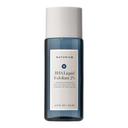
Naturium BHA Liquid Exfoliant 2%

A stated 2% salicylic acid in a humectant-heavy water base, sold in a 118 ml bottle built for large areas. The pick if your congestion is on your back and shoulders rather than only your nose.

Best BHA option
$18.99 · View on Amazon

Price as of November 25, 2026. #ad How we’re funded

6
Paula's Choice 6% Mandelic + 2% Lactic Acid Liquid Exfoliant

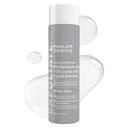
Paula's Choice 6% Mandelic + 2% Lactic Acid Liquid Exfoliant

The one to buy when a straight lactic acid stings: 6% mandelic does the work slowly and the 2% lactic rides along for hydration. It also costs four times what the budget bottles do.

Best for reactive or pigmentation-prone skin
$25.90 · View on Amazon

$37.0030% off

Price as of November 25, 2026. #ad How we’re funded

The picks in full

#1Best overall exfoliating toner

The Ordinary Glycolic Acid 7% Exfoliating Toner

A cult budget AHA toner — a stated 7% glycolic for surface smoothing and glow. Potent for a 'toner'; it is a real exfoliant, so treat it like one and don't use it nightly at first.

Strengths

  • Stated 7% glycolic acid for a few dollars
  • Publishes a pH range of 3.5-3.9 as well as the percentage — the second number that decides how strong an acid actually is
  • Noticeable smoothing and radiance
  • Includes soothing aloe and ginseng

Trade-offs

  • Too strong for sensitive skin and for daily use at first
  • The brand's own instruction is not to use it on sensitive, peeling or compromised skin
  • Never combine with other strong acids or retinol the same night early on
Key activeGlycolic acid (AHA)
Stated concentration7%
FormatWatery toner
Fragrance-freeYes
Best forNormal, Oily, Resilient

Formulation note. 7% glycolic acid + aloe + ginseng + Tasmanian pepperberry (to reduce irritation). Water-soluble AHA works on the surface — good for glow, distinct from BHA's pore work. The Ordinary is one of the very few brands that also publishes the pH: it lists 3.5-3.9, describing it as "a carefully calibrated pH of approximately 3.6", and prints the FDA-recommended AHA sunburn alert in full.

Ingredients and claims read from the product listing, on August 24, 2026. “Not published” means the brand does not state that figure.

#2Budget pick, best first acid

Good Molecules Glycolic Exfoliating Toner

The only toner here that prints its glycolic percentage inside the ingredient list itself — 3.5%, which is deliberately low — and then spends the rest of the formula on niacinamide, hyaluronic acid and ferment filtrate. It is the one to start on, and the one to stay on if acids have gone badly for you before.

Strengths

  • Glycolic acid is listed as '3.5%' directly in the INCI — disclosure most brands never attempt
  • Niacinamide, sodium hyaluronate, hyaluronic acid and galactomyces ferment filtrate soften the trade-off
  • Fragrance-free and alcohol-free
  • 120 ml at a genuinely low price

Trade-offs

  • 3.5% is low — if you have used acids for years this will feel like nothing is happening
  • No pH published
  • Also contains salicylic acid, so it is not a clean single-acid product if you are layering
  • Costs more per milliliter than our 7% top pick despite being weaker
Key activeGlycolic acid (AHA) + salicylic acid (BHA)
Stated concentration3.5% glycolic
FormatWatery, slightly slippy toner
Fragrance-freeYes
Best forSensitive, Normal, Combination, Acid-beginner

Formulation note. Water, dipropylene glycol and then 'Glycolic Acid (3.5%)' spelled out on the ingredient list, with sodium citrate buffering it, plus salicylic acid, niacinamide, galactomyces ferment filtrate, aloe, sodium hyaluronate and hyaluronic acid. Labeled alcohol-free and fragrance-free. No pH is published.

Ingredients and claims read from the product listing, on August 24, 2026. “Not published” means the brand does not state that figure.

#3Strongest stated glycolic

The INKEY List 10% Glycolic Acid Toner

The highest stated glycolic strength here, and one of only two toners on this page whose brand also publishes a pH range. That combination is what makes it recommendable rather than just strong — but the base is astringent, and The INKEY List itself says to keep it away from sensitive skin.

Strengths

  • States 10% glycolic acid AND publishes a pH of 3.6-4.0, which almost no brand does
  • Fragrance-free, in a short formula with no dyes
  • 5% witch hazel water gives it a genuinely mattifying finish on oily skin

Trade-offs

  • Contains alcohol and witch hazel water — two astringents on top of a strong acid
  • The brand's own guidance is that sensitive skin should use a PHA instead
  • At the top of the published pH range there is less free acid than '10%' implies
  • Under half the volume of our top pick, at a higher price
Key activeGlycolic acid (AHA)
Stated concentration10%
FormatWatery liquid toner
Fragrance-freeYes
Best forOily, Combination, Normal, Acid-experienced

Formulation note. Glycolic acid second on the INCI, with witch hazel water, sodium hydroxide as the pH adjuster, alcohol, betaine and Boerhavia diffusa root extract. The brand publishes both figures that matter — 10% glycolic and a pH of 3.6-4.0 — and states plainly that it suits normal, combination and oily skin but not sensitive skin.

Ingredients and claims read from the product listing, on August 24, 2026. “Not published” means the brand does not state that figure.

#4Best for congestion and whiteheads

COSRX AHA 7 Whitehead Power Liquid

Ten ingredients, a stated 7% glycolic acid, and niacinamide and panthenol doing the soothing instead of a long list of extracts. If you react to fillers and want the shortest credible glycolic formula on the shelf, this is it — but COSRX labels it for experienced users, not for a first acid.

Strengths

  • Stated 7% glycolic acid in a ten-ingredient formula
  • Niacinamide, panthenol and sodium hyaluronate are the only support actives, and all three earn their place
  • No fragrance, no dye, no alcohol on the ingredient list
  • 100 ml at a drugstore price

Trade-offs

  • No pH published, so the effective strength is unknowable from the label
  • COSRX's own page marks it 'best for experienced users' — this is not a starter acid
  • The apple fruit water base is a marketing flourish; it is doing the job water would
  • Nothing occlusive in the formula, so dry skin will need a moisturizer straight after
Key activeGlycolic acid (AHA)
Stated concentration7%
FormatThin, slightly slippy liquid
Fragrance-freeYes
Best forOily, Combination, Congestion-prone, Acid-experienced

Formulation note. The whole INCI is apple fruit water, butylene glycol, glycolic acid, niacinamide, sodium hydroxide, 1,2-hexanediol, panthenol, sodium hyaluronate, xanthan gum and ethyl hexanediol. COSRX publishes the 7% glycolic figure but not a pH, and directs daytime users to follow with a broad-spectrum SPF 30 or higher.

Ingredients and claims read from the product listing, on September 17, 2026. “Not published” means the brand does not state that figure.

#5Best BHA option

Naturium BHA Liquid Exfoliant 2%

A stated 2% salicylic acid in a humectant-heavy water base, sold in a 118 ml bottle built for large areas. The pick if your congestion is on your back and shoulders rather than only your nose.

Strengths

  • Stated 2% salicylic acid in an 18-ingredient list you can read end to end
  • Glycerin, diglycerin, propanediol and butylene glycol give it real humectant support
  • 118 ml, which is the size that makes daily body use affordable

Trade-offs

  • Naturium publishes no pH for it
  • Three Australian citrus fruit extracts are marketed as AHA sources, so the acid load is more than the 2% on the label
  • Phenylpropanol, which carries a perfuming function, sits in the list despite the fragrance-free claim
Key activeSalicylic acid (BHA) + citrus fruit acids
Stated concentration2%
FormatWatery liquid
Fragrance-freeYes
Best forOily, Combination, Body acne, Blemish-prone

Formulation note. Water, butylene glycol, propanediol, the stated 2% salicylic acid, sodium polyacrylate, citric acid, glycerin, diglycerin, three Microcitrus / Citrus glauca fruit extracts, hydroxyacetophenone, carrageenan, phenoxyethanol, sodium phytate, caprylyl glycol, phenylpropanol and tocopherol. Naturium calls it fragrance- and essential-oil-free; phenylpropanol is nonetheless listed with a perfuming function, which we flag rather than resolve. The citrus extracts are marketed as AHA sources, so this is a mixed-acid product with a stated BHA figure.

Ingredients and claims read from the product listing, on November 12, 2026. “Not published” means the brand does not state that figure.

#6Best for reactive or pigmentation-prone skin

Paula's Choice 6% Mandelic + 2% Lactic Acid Liquid Exfoliant

The one to buy when a straight lactic acid stings: 6% mandelic does the work slowly and the 2% lactic rides along for hydration. It also costs four times what the budget bottles do.

Strengths

  • Both acids are on the label, and the listing states fragrance-free
  • Mandelic's larger molecule diffuses more slowly, so there is less flush
  • Sold in a 1 fl oz travel size too, which is a cheap way to test tolerance

Trade-offs

  • Lactic is the junior partner at 2% — this is a mandelic product with lactic support
  • Premium price against single-acid rivals that publish their numbers too
  • No pH published, and pH decides how much of those acids is active
Key activeMandelic acid (AHA) + lactic acid (AHA)
Stated concentration6% mandelic + 2% lactic
FormatWatery liquid exfoliant
Fragrance-freeYes
Best forSensitive, Dry, Combination, Pigmentation-prone

Formulation note. Water, 2,3-butanediol, mandelic acid, lactic acid, sodium hydroxide (the buffer that sets the final pH), bayberry fruit extract and Akebia quinata fruit extract on the retailer INCI. The listing states fragrance-free and sensitive-skin suitability; no pH figure is published for either acid.

Ingredients and claims read from the product listing, on November 4, 2026. “Not published” means the brand does not state that figure.

How to choose an exfoliating toner

1. Pick the acid before you pick the brand

This is the decision that actually changes your result, and it is decided by your skin rather than by the price. If your complaint is dull, rough, uneven texture on skin that tolerates things, glycolic is the default. If your complaint is clogged pores, blackheads or oil, you want the BHA, because salicylic acid is oil soluble and the AHAs are not. If your skin flushes, stings or pigments easily, mandelic is the gentlest route to the same place and lactic is the next gentlest. Our glycolic vs salicylic acid comparison takes that fork in detail, and mandelic vs glycolic covers the sensitive-skin version of it.

2. Insist on a percentage

Every pick on this page publishes one, which is not true of the category at large, and it is the reason these six are the six. An acid without a stated strength cannot be stepped up from, cannot be compared with anything, and cannot be reasoned about when it stings. The figures here run from 2% to 10%, and higher is not better — it is simply more. The published literature on hydroxy acids puts the useful home range for AHAs at roughly 4% to 10% at a low pH, which is where five of these bottles sit; a clinic peel is a different thing at a different concentration under supervision.

3. Read the COSRX number correctly

The COSRX bottle on this page is labelled AHA 7 and it is a 7% glycolic acid liquid, directly comparable with The Ordinary’s. The one to watch out for is its sibling, the Niacinamide 2% + BHA 4% exfoliant: that “BHA 4%” is 4% betaine salicylate, which is salicylic acid bonded to betaine and a different ingredient on a different scale. It is not double a 2% salicylic acid and reading it that way is simply wrong. We make the same correction on best salicylic acid serums, because it is the single most common misreading in this category.

4. Buy by the millilitre, not by the bottle

Exfoliating toners are the one acid format where you genuinely use a lot of product, so the shelf price is misleading. The bottles here range from 100 ml to 240 ml at prices that do not track the volume at all, which means the cheapest bottle on the shelf is not always the cheapest to use and the most expensive is not always the dearest. The live prices in the quick-picks table above are read at the moment you load this page; divide by the size in each write-up to see which is actually cheap for you.

How to use one without wrecking your barrier

Start at two nights a week, on dry skin after cleansing, with a cotton pad or clean fingers, and leave it to absorb before anything else goes on. Build up only if nothing complains. The failure mode in this category is not that people buy too strong a product — it is that they use a reasonable product every single night on top of a retinoid and a vitamin C, and then conclude their skin is “sensitive.” Tight, shiny, stinging skin that reacts to its own moisturizer is over-exfoliated, not sensitive, and the fix is to stop for two weeks rather than to buy something gentler.

Two hard rules go with any leave-on acid. First, sunscreen the next morning is not optional: AHAs thin the outermost dead layer, which is the layer doing a small amount of passive UV scattering, and the US FDA’s own labelling guidance for AHA cosmetics centres on exactly this. Second, do not layer an acid and a retinoid in the same routine while you are still working out your tolerance — alternate nights instead. How often to exfoliate has the schedule and the ingredient conflict chart has the combinations to avoid.

Which of the six is yours

Normal to oily skin, nightly use, lowest cost per use: The Ordinary Glycolic Acid 7% Exfoliating Toner. A stated 7% glycolic in 240 ml with aloe, ginseng and Tasmanian pepperberry in the base. The caveat is that it is explicitly not for sensitive skin and the brand says so.

Your first acid, or you are nervous: Good Molecules Glycolic Exfoliating Toner. A stated 3.5% glycolic with a little salicylic alongside it, fragrance-free, and the cheapest bottle on this page. Low enough that twice a week is a sensible place to start, and the bottle will still outlast your patience.

You have used 7% for months and want more:The INKEY List 10% Glycolic Acid Toner — the strongest stated glycolic here. Ten percent is the top of the sensible home range, so this is a step up rather than a starting point.

Whiteheads and congestion rather than texture: COSRX AHA 7 Whitehead Power Liquid. A 7% glycolic liquid built around that specific complaint, in 100 ml.

Blackheads, oil, or body acne: Naturium BHA Liquid Exfoliant 2%, which is a stated 2% salicylic acid in 118 ml, which is enough liquid to take it below the jaw for back and shoulders rather than rationing it for the face. The honest flag: three citrus fruit extracts marketed as AHA sources sit in the base, so the total acid load is higher than the 2% on the front.

Reactive, flushing or pigmentation-prone skin: Paula’s Choice 6% Mandelic + 2% Lactic Acid Liquid Exfoliant. Both figures published, both acids chosen for larger molecules that diffuse more slowly. It is the most expensive bottle here and the one we would buy for genuinely sensitive skin. If you would rather stay with a single acid, our glycolic acid toner picks go deeper on that one, and exfoliants for sensitive skin covers the whole gentle end of the category.
Frequently asked questions

What is an exfoliating toner?

A watery leave-on product containing an acid — usually glycolic, lactic, mandelic or salicylic — that loosens the bonds between dead surface cells so they shed more evenly. It is not a cleanser and it is not rinsed off. The format matters because a thin liquid gets applied generously over the whole face, which is a larger exposure than the same acid in a thick serum.

How often should I use an exfoliating toner?

Start at two nights a week and increase only if your skin is completely comfortable. Many people settle at three or four nights; some tolerate nightly use of a low percentage. Daily use of a strong acid on top of a retinoid is the most common way to end up over-exfoliated, which looks like tightness, shine, stinging and sudden reactivity to products you have used for years.

Glycolic or salicylic acid in a toner?

Glycolic if your complaint is surface texture, dullness or fine roughness — it is a small AHA molecule and works across the top layer. Salicylic if your complaint is blackheads, clogged pores or oil, because it is oil soluble and gets into the pore lining where AHAs cannot. If you have both complaints, alternate nights rather than layering them.

Can I use an exfoliating toner with retinol?

Eventually, on alternate nights. Not while you are establishing either one. Both increase cell turnover and both can irritate, and using them together from the start makes it impossible to tell which one your skin is objecting to. Get one established over four to six weeks, then introduce the other on the nights you are not using the first.

Do I need sunscreen if I use an exfoliating toner?

Yes, and more consistently than before. AHAs thin the outermost layer of dead cells, and US FDA labelling guidance for AHA cosmetics is built around exactly that sun-sensitivity concern. Practically: use a broad-spectrum SPF 30 or higher every morning you use an acid the night before. Skipping it undoes the point of exfoliating in the first place, because UV is the main driver of the uneven tone most people are treating.

Is a 10% toner twice as good as a 5% one?

No. It is twice as much acid, which is not the same thing. Above roughly 10% at home you buy irritation faster than you buy results, and the published hydroxy-acid literature puts the useful home range for AHAs at about 4% to 10% at a low pH. The right strength is the highest one your skin is comfortable with three nights a week — for many people that is 5% to 7%.

Why do some toners not publish a percentage?

Because they are not required to, and a vague claim is easier to market than a number that invites comparison. We treat the absence as a finding: every pick on this page publishes a figure, and where a brand does not, our registry records the field as 'not published' rather than estimating it. An empty cell on this site means the brand did not say, not that we failed to look.

Sources

Keep reading