What you were actually buying, and what replaces each part
The oil-rich base — replaceable, and cheaply
Four of the first eight ingredients on the published list are emollient esters and plant oils, and one of them, squalane, is a single ingredient you can buy at 100% purity for the price of a sandwich. This is the part of the experience that is most obviously reproducible: a cream whose job is to soften and seal is doing one of the best-understood things in dermatology, and the materials that do it are commodities. The published moisturizer literature is clear that the mechanism is humectants to draw water in, emollients to soften and occlusives or barrier lipids to keep it there — and the price of a jar correlates with none of that.
The peptides — replaceable, but buy them as a serum
Two named peptides sit at the end of the ingredient list, which tells you they are present at low levels; no figure is published for either. Our honest read is that if peptides are the reason you bought the cream, a dedicated peptide serum under a cheaper cream gives you more peptide for less money with the disclosure you cannot get here. Published systematic reviews of topical peptides are cautiously positive on firmness and barrier measures and are explicit that the trials are small, short and often run by the ingredient suppliers — which is the honest state of the evidence at any price point. Our best peptide serums under $50 page ranks that route, and one of them names seven signal peptides on the front of the bottle.
TFC8 — not replaceable
Stated once more, plainly, because it is the whole question: the brand publishes neither the composition nor the concentration of its complex, so no comparison is possible and no substitute can be claimed. The components visible on the INCI — the amino acids, oligopeptide-177, palmitoyl tripeptide-8 and dextran — are ingredients other brands also use, but the complex as formulated is not something you can shop for. If you have used the cream and liked it, that experience is yours and this page is not arguing with it.
What is NOT on the label, and what that means for you
No fragrance, which is genuinely good. Also no named ceramides — the published list contains hydrogenated lecithin and plant oils rather than ceramides NP, AP or EOP. If your skin is dry because its barrier is compromised rather than because it is thirsty, a cream built on named ceramides at a stated percentage is arguably the better buy, and three of the picks below are exactly that. Our ceramides explainer covers why that distinction matters and best ceramide moisturizers ranks the shelf on disclosure.
Which of the six is yours
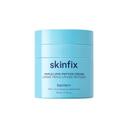
You want the closest formulation match:Skinfix Barrier+ Triple Lipid-Peptide Cream. A stated 3% triple-lipid complex with ceramides NP, AP and EOP named, plus peptides, fragrance-free and vegan. It is the most expensive pick here and the best disclosed cream in our whole registry. If disclosure is what you value, this is the page’s answer.
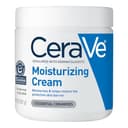
You want the cheapest cream that genuinely works:CeraVe Moisturizing Cream. Three named ceramides, hyaluronic acid, 340 ml, fragrance-free. No peptides and no plant oils, and nothing on this page beats it on cost per use.
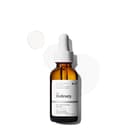
It was the peptides:The Ordinary Multi-Peptide + HA Serum — seven named signal peptides with hyaluronic acid, in a thin serum that goes under whichever cream you choose. More peptide, more disclosure, less money.
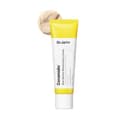
It was the texture: Dr.Jart+ Ceramidin Skin Barrier Moisturizing Cream, the densest, most cushioning cream we track, on five individually named ceramides. One important flag: unlike the original, its published list carries fragrant botanical oils, so this is the wrong pick if a fragrance-free label is part of why you were buying.
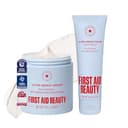
Dry skin that also itches: First Aid Beauty Ultra Repair Cream, the only pick here with colloidal oatmeal, an FDA-recognised skin protectant, alongside ceramides. Fragrance-free, and the most comfortable cream on the page for an eczema-prone winter.
You want to test the base-oil theory for a few dollars: The Ordinary 100% Plant-Derived Squalane. The fourth ingredient on the original’s published list, sold at 100% purity. Two or three drops pressed over a cheap cream gives you a surprising amount of that cushioned finish, and it costs less than a coffee. Our squalane oil picks compare the sources, and squalane vs hyaluronic acid explains which half of the job each one does.
Three things no alternative gives you
TFC8, for the reason set out above. The brand’s own clinical programme— whatever testing the company has done on its own formula is testing of that formula, and it does not transfer to a cream that shares an emollient or a peptide. And the object itself: the jar, the ritual, and the fact that you will use a cream you spent real money on more diligently than one you did not. That last one sounds like a joke and is not. Consistency is most of what makes any moisturizer work, and if paying more is what makes you apply it twice a day, that is a legitimate thing to buy.
What we are not going to tell you is that the original does not work. We own no units, we have run no comparison, and nothing on this page is a judgement of its performance — only of what its label publishes against what cheaper labels publish. If you want the whole rich-cream shelf ranked without a brand-swap framing, that is best moisturizers for dry skin, and alternatives to La Mer runs the same exercise on the other famous luxury cream.