How to choose a night cream
1. Decide whether the cream is also your treatment
There are two workable evening routines and they want different products. In the first, your active sits in a serum and the cream on top is pure comfort: barrier lipids, humectants, nothing to react to. In the second, the cream isthe active, which means one fewer step and one fewer thing to buy. Both are fine. What does not work is stacking a retinol serum under a retinol cream because the packaging of each implied it was the whole routine — that is how people end up with a flaking jaw and a conviction that retinol “does not suit” them. If you are new to this, our night skincare routine sets out the order and how to layer skincare covers what goes over what.
2. Read the retinol number, or notice that there isn’t one
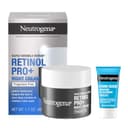
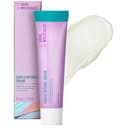
Retinol is the best-evidenced over-the-counter anti-aging active there is, and the evidence is dose-dependent: strength and tolerance move together. That makes an unstated percentage a real problem rather than a pedantic one. You cannot step up deliberately from a number you were never given, and you cannot tell whether a reaction means “too strong” or “wrong base.” Two creams on this page print a figure — the Neutrogena at 0.3%, the Good Molecules at 0.1% retinol with 0.3% bakuchiol. The RoC and the La Roche-Posay do not, and we have recorded that as unpublished rather than guessing. An empty spec cell on this site is a finding, not a gap in our research. Our retinol strengths guide explains what each tier is for.
3. Match the texture to the season, not to the price
The richest cream here and the lightest lotion here are more than thirty dollars apart and both are correct answers — for different skin in different months. A dense, lipid-heavy cream is what dry or winter-stripped skin wants and what oily skin will break out under. A near-weightless lotion is what oily and acne-prone skin wants and what dry skin will find has vanished by morning. If your skin changes with the weather, that is normal, and transitioning skincare between seasons is mostly a texture change rather than a new shelf of products.
4. Check the fragrance line if your skin is reactive
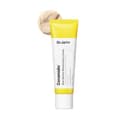
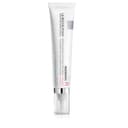
Fragrance is the most common cosmetic allergen, it does nothing for your skin, and a cream you leave on for eight hours is the worst place to meet one. Four of the seven picks here are fragrance-free by their published ingredient lists. Three are not: the RoC night cream, the La Roche-Posay Redermic R, and the Dr.Jart+ Ceramidin, which carries fragrant botanical oils. All three are still good products and each is flagged in its own write-up. Note also that “unscented” is a different and weaker claim.
What a night cream cannot do
It cannot replace sunscreen, and this is the one place the night/day split genuinely bites. Everything a retinol cream does overnight is undone faster than you can build it if the next morning is unprotected — UV exposure is the dominant driver of the lines and pigment most people buy a night cream to address. The honest sequencing is: buy the sunscreen first, then the night cream. If you only ever adopt one new habit from this site, make it daily facial SPF, not the evening step.
It also cannot work in a week. Retinol trials that show measurable change in wrinkle depth and firmness run for twelve weeks and longer, and the first three to six weeks of a retinoid are frequently worse — dryness, flaking, sometimes a congestion flare. That phase is well documented and it is not a sign the product is wrong; the retinol purge explains how to tell it apart from a reaction, and how long skincare takes to work puts realistic dates on the rest.
Which of the seven is yours
You want one product to do both jobs: Neutrogena Rapid Wrinkle Repair Retinol Pro+ 0.3% Night Cream. A stated 0.3% retinol in a cream base, fragrance-free, at a price that does not make you ration it. It is the dearest of the three drugstore retinol creams here and the only one of them that tells you the dose.
You have never used a retinoid:Good Molecules Gentle Retinol Cream. A stated 0.1% retinol with 0.3% bakuchiol alongside it, for a few dollars. Start twice a week, not nightly — how often to use retinol has the ramp.
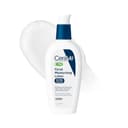
Your actives are already in a serum: CeraVe PM Facial Moisturizing Lotion. Ceramides and niacinamide in a near-weightless lotion, fragrance-free, and cheap enough to use generously. Despite the name it is perfectly good in the morning too.
Very dry skin, or winter:Dr.Jart+ Ceramidin Skin Barrier Moisturizing Cream — five individually named ceramides in the densest texture on this page. The caveat is fragrance: its published list carries botanical oils, so it is the wrong pick if reactivity is your issue.
You have been using retinol for years: La Roche-Posay Redermic R. A retinol-plus-retinyl-linoleate cream from a brand with a long dermatology record. It does not publish a percentage, which is why it is not the top pick despite being the most expensive cream here.
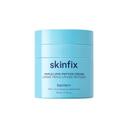
Your barrier is the problem, not your wrinkles:Skinfix Barrier+ Triple Lipid-Peptide Cream, which states a 3% lipid complex and names its ceramides — the best disclosure of any cream in our registry. Read how to repair a skin barrier before you add anything else.
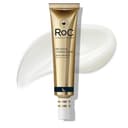
You want the jar from the drugstore shelf you recognise: RoC Retinol Correxion Deep Wrinkle Night Cream. It has been on that shelf for decades and it is cheap. It is fragranced and it publishes no strength, so it is last here on disclosure rather than on formulation. If what you actually want is the active without the cream, our retinol serum picks cover that route, and best retinol creams ranks the cream format on the active alone.