How each swap was chosen
The method is the same one we use on every page: read the original’s published ingredient list, work out which part of it the reader is actually buying, then find the registry product that delivers that part and say what it costs you in exchange. We own none of these products and we have not worn any of them. Everything below is a formulation argument, not a review of how a cream felt on somebody. Our methodology page sets out the whole process.
1. The published active comes first
A swap has to deliver the thing the original is named for. B-Hydra is sold on vitamin B, so the question is whether the alternative carries niacinamide — and, interestingly, where niacinamide sits on B-Hydra’s own list, which is eighteenth, after five fruit extracts. C-Firma Fresh is sold on 15% vitamin C, so the alternative has to be L-ascorbic acid rather than a gentler derivative. A-Passioni prints 1% retinol, so the alternative has to publish a retinol figure too, or the comparison is meaningless.
2. Then the base, because the base is most of the product
Lala Retro is a ceramide cream with cholesterol, phytosphingosine and six named plant oils in it. You can buy ceramides for a few dollars; what you cannot buy for a few dollars is that particular rich, slow, whipped texture. So the Lala Retro swap here is chosen on the published lipid set rather than on feel, and we flag what you give up.
3. Where nothing matches, the page says nothing matches
The Babyfacial listing states 25% AHA and 2% BHA. Nothing in our registry comes near that: the strongest leave-on AHA we track is 8% glycolic acid, and the strongest BHA is 2% salicylic acid. A page that told you an 8% gel was “the same thing” would be lying to you. What it is instead is a different, arguably more sensible proposition — a lower acid you use more often instead of a high one you use weekly — and that is how it is written up below.
4. Fragrance, because it is the quiet differentiator
None of the eight Drunk Elephant lists we read declares parfum or fragrance. That is a genuine point in the brand’s favor and it rules out a lot of cheaper substitutes for anyone reactive. Eight of the nine picks here are fragrance-free; the one that is not is flagged in its own write-up, and our fragrance-free picks page is the place to go if that is your hard constraint.
The swaps, product by product
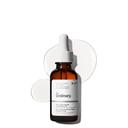
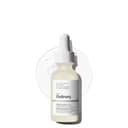
Virgin Marula Luxury Facial Oil → The Ordinary Marula Oil
This is the only place on the page where “identical” is the honest word. Virgin Marula Luxury Facial Oil declares one ingredient: Sclerocarya birrea seed oil. The Ordinary 100% Cold-Pressed Virgin Marula Oil declares one ingredient: Sclerocarya birrea seed oil. Same plant, same single-ingredient list, both sold as cold-pressed and virgin, and the cheaper one is sold in a larger bottle.
The caveat matters and it is small. Neither brand publishes a fatty-acid profile, a cold-press yield or a refinement grade, so “identical published list” is a statement about the declared INCI and not a guarantee that the two oils were pressed to the same specification. Virgin oils from the same seed genuinely do vary. If you have used and loved one of them specifically, that is a reason to keep buying it. If you have never tried marula oil and want to find out whether it suits your skin, there is no argument for starting at the prestige end.
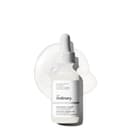
Protini Polypeptide Cream → The Ordinary Multi-Peptide + HA
Protini’s published list names ninepeptides in consecutive positions — five SH-oligo- and SH-polypeptides, a copper carrier peptide, and palmitoyl tetrapeptide-7 and palmitoyl tripeptide-1 — followed by nine free amino acids. No concentration is published for any of them, which is the category norm rather than a criticism.
The Ordinary Multi-Peptide + HA Serum names seven peptides, and two of them are the same two: palmitoyl tripeptide-1 and palmitoyl tetrapeptide-7. It also sits in a glycerin and hyaluronic-acid base with a full amino acid roster, so on the pessimistic view of what peptides do topically you are still applying a well-built hydrating serum. What you lose is real: Protini is a cream, and this is a thin serum you will want a moisturizer over. The published peptide literature is cautiously positive and consistently notes that the human trials are small, short and often run by the companies selling the ingredient — which is the honest frame for both products. Our best peptide serums page ranks the wider shelf.
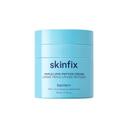
Lala Retro Whipped Cream → Skinfix Barrier+ Triple Lipid-Peptide Cream
Lala Retro’s list is a barrier-lipid textbook: cholesterol, ceramide AP, ceramide EOP, ceramide NP and phytosphingosine in five consecutive positions, over a base carrying baobab, watermelon seed, passionfruit seed, mongongo kernel and marula oils. No concentration is published for any of the lipids.
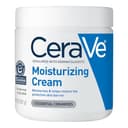
Skinfix Barrier+ is the closest published match we track — the same three ceramides, the same phytosphingosine, plant sterols standing in for the cholesterol — and it does one thing the original does not: it states 3%for the lipid complex. It is not a budget pick; it is a premium cream that happens to publish a figure. If what you actually want is “a good ceramide cream and the money back,” take the CeraVe tub instead and read best ceramide moisturizers for the rest of that shelf. Neither one gives you the whipped texture or the six-oil blend, and if those are the reason you buy Lala Retro then nothing here replaces it.
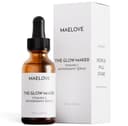
C-Firma Fresh Day Serum → Maelove Glow Maker
C-Firma Fresh is built on the antioxidant combination with the best evidence behind it: ascorbic acid third on the list, tocopherol sixth, ferulic acid twelfth, with the retailer listing publishing 15% vitamin C. Maelove Glow Maker is the same three ingredients at the same published 15% L-ascorbic acid, and it is the pick we have used for this job on this site since launch. You lose the two-part activate-it-yourself presentation, which is a genuine freshness argument for an unstable active, and you lose the gluconolactone and the curcuminoid antioxidants further down the original’s list.
If you want to go cheaper still, The Ordinary Vitamin C Suspension 23% publishes a higher figure in an anhydrous silicone base, with a gritty texture most people either tolerate or hate. Our best vitamin C serums page covers the whole category, and vitamin C forms explains why L-ascorbic acid and its derivatives are not interchangeable.
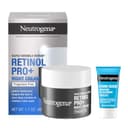
A-Passioni Retinol Cream → Neutrogena Rapid Wrinkle Repair Retinol Pro+
A-Passioni is unusual and deserves credit for it: the strength is printed in the ingredient list itself as Retinol 1.0%, alongside niacinamide, three peptides, ceramide NP and a long list of plant oils. Almost nothing on the drugstore shelf publishes a retinol figure at all.
The Neutrogena Pro+ night cream does, at a stated 0.3%, fragrance-free, in a cream base. It is the closest honest comparison because it is the comparison on the same terms — a published number against a published number. It is also a third of the strength, and that is the whole point of saying so: retinol is dose-dependent, and nobody in our registry sells a stated 1% cream. If you want to go up from 0.3% you are into retinol serums, where exact strengths are easier to find; if 1% sounds like a lot for a starter product, it is, and retinol strengths explains where to begin instead.
T.L.C. Sukari Babyfacial → Paula’s Choice 8% AHA Gel
Babyfacial puts glycolic acid second on its list and salicylic acid sixth, with sodium hydroxide as the neutralizer and a published 25% AHA / 2% BHA blend, used as a rinse-off mask no more than once a week. Nothing we track is that strong. The Paula’s Choice gel is a stated 8% glycolic acid, fifteen ingredients, no fragrance, used leave-on.
So this is a different strategy rather than a dupe, and we would argue it is the better one for most skin: a lower acid used two or three times a week does more over a month than a strong weekly mask, with far less scope for the over-exfoliation that sends people to signs of over-exfoliation in the first place. If you want the weekly-treatment ritual specifically, buy the original. If you want the result, read best chemical exfoliants and how often to exfoliate.
B-Hydra Hydration Serum → The Ordinary Hyaluronic Acid 2% + B5
B-Hydra is named for vitamin B, and its published list puts niacinamide eighteenth— after panthenol, sodium PCA, sodium hyaluronate crosspolymer and five fruit and root extracts. No concentration is published. Read structurally, it is a hydrating serum that contains niacinamide rather than a niacinamide treatment, and the honest swap is therefore a hydrating serum.
The Ordinary Hyaluronic Acid 2% + B5 publishes its figure, carries the same panthenol, adds ceramides, and costs less than almost anything else on this page. If what you wanted was the niacinamide, buy a niacinamide serum on purpose — best niacinamide serums ranks them by published percentage, which is a thing most of them actually print. Apply any hyaluronic acid to damp skin and seal it, or in dry air it can work against you; how to use hyaluronic acid has the detail.
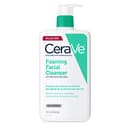
Beste No. 9 Jelly Cleanser → CeraVe Foaming Facial Cleanser
Beste No. 9’s published list is a six-surfactant blend — cocamidopropyl betaine, coco-glucoside, sodium lauroyl methyl isethionate, cocamidopropyl hydroxysultaine, sodium methyl oleoyl taurate and lauryl glucoside — with no sulfates declared, no exfoliating acid and no fragrance. It is a mild gel cleanser, and mild gel cleansers are the single most commoditized thing in skincare.
CeraVe’s Foaming Facial Cleanser does the same job with ceramides and niacinamide built in, fragrance-free, in a bottle several times the size. If your skin is dry, take the Hydrating version of the same cleanser instead. Our best cleansers under $25 page sorts the whole shelf by cleanser type and cost per milliliter, which is the only comparison that matters in this category.
What this page cannot do for you
Three honest limits. First, we have left out T.L.C. Framboos Glycolic Night Serum, which is the product behind one of the most-searched Drunk Elephant swap queries: on the build date no live single-product listing for it came back from the retailer, so writing about it as a current purchase would have been a guess. The exfoliation swap above is written around Babyfacial, which was in stock and verified.
Second, nothing here reproduces the experience. If what you actually want is a shortlist of premium products that justify their price rather than a way out of one, our best luxury skincare page applies the same published-label test one tier up, and best anti-aging serums does it for the treatment step alone. Drunk Elephant sells a coherent, well-packaged, fragrance-free system where the products are designed to be mixed in the palm of your hand, and a basket of six unrelated bottles is not that. If the reason you buy the brand is that it removed a decision from your routine, a cheaper basket re-adds the decision. That is a real cost and it is not captured in any price comparison.
Third, we are not claiming any of these alternatives performs better. We have run no trials, worn none of these products and will not borrow somebody else’s before-and-after. What we have done is read nine published ingredient lists and told you which registry product carries the part of each one you were paying for.