What a premium price should buy
1. A number on the label
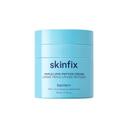
This is the single most reliable signal in the category and it is almost free for a brand to provide. If a company has spent money on an expensive active, publishing the figure is the cheapest possible way to prove it — so silence is informative. Three picks here publish something their cheaper rivals do not: Skinfix states a 3% triple-lipid complex and names ceramides NP, AP and EOP; Paula’s Choice prints 0.3% retinol and 2% bakuchiol on the same label; La Roche-Posay states 12% pure vitamin C with ascorbic acid second on the ingredient list. One pick, the dark-spot serum, publishes no figure at all, and we say so in its write-up rather than letting the price imply otherwise.
2. A formulation the cheap shelf does not offer
Some things are genuinely hard to make. A zinc-oxide sunscreen that is cosmetically elegant enough to reapply over makeup is one of them — the cheap mineral shelf is full of products that work and that nobody wears twice. A retinoid buffered with ceramides, four peptides, licorice root and oat kernel extract is another. Those are formulation problems, not marketing problems, and paying for a solved one is rational.
3. A job nothing cheaper does well
There is exactly one of these on the page. If you wear long-wear foundation or waterproof mascara, a prestige cleansing balm removes in one pass what the budget balms leave behind at the end of the night. If you do not wear that kind of makeup, the premium balm is money set on fire, and our best cleansing balms page has five cheaper ones that are completely adequate.
4. What a premium price never buys
A different evidence base. Retinol at a given dose behaves the same way whether it cost nine dollars or ninety; L-ascorbic acid is L-ascorbic acid; niacinamide is niacinamide. No price point changes what the published trials found. Nor does a premium price buy fragrance-free status, which is worth checking before you spend: two of the seven picks here declare parfum on the ingredient list, and we flag both.
The three steps where paying up buys nothing
Cleansing, unless your makeup demands it.A cleanser is on your face for forty seconds and then goes down the drain. The job is to remove oil and sunscreen without stripping the barrier, and that problem was solved years ago at commodity prices — CeraVe’s foaming and hydrating cleansers are the reference products for oily and dry skin respectively, at a fraction of any prestige price. Our best cleansers under $25 page ranks the whole shelf by type and cost per milliliter.
Hydrating serums.Hyaluronic acid is a humectant, and a humectant’s job is to hold water against the skin. The Ordinary publishes a 2% multi-weight hyaluronic acid with B5 and ceramides for a few dollars. The premium pick below adds madecassoside, a soothing centella derivative, in a plusher base — a real difference in comfort, and not a difference in hydration. If your skin is not reactive, buy the cheap one. Best hyaluronic acid serums covers both ends.
Basic barrier repair. If all you need is a bland, effective ceramide cream, a tub of CeraVe Moisturizing Cream does it, and the premium cream on this page earns its place on disclosure rather than on performance we can demonstrate. We make that argument at length on best ceramide moisturizers and in drugstore vs prestige skincare.
Which of the seven is yours
You want the best-documented barrier cream:Skinfix Barrier+ Triple Lipid-Peptide Cream. A stated 3% lipid complex built on the ceramide-cholesterol-fatty-acid model the barrier literature describes, with ceramides NP, AP and EOP named, plant sterols, jojoba and macadamia esters and a 3% peptide solution, fragrance-free, 50 ml. It is the most expensive way to buy ceramides in our registry and the only one that quantifies them.
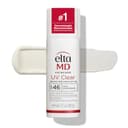
You want one premium product and nothing else:EltaMD UV Clear Broad-Spectrum SPF 46. Zinc oxide with 5% niacinamide, oil-free and fragrance-free, in a finish people with rosacea-prone and acne-prone skin actually tolerate. Worth knowing before you buy: the Drug Facts panel lists zinc oxide alongside an organic filter, so it is a hybrid rather than a pure mineral sunscreen — our EltaMD vs La Roche-Posay comparison goes filter by filter off the labels. If you want 100% mineral, best mineral sunscreens has the options.
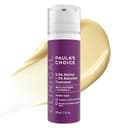
Retinol has gone badly for you before:Paula’s Choice CLINICAL 0.3% Retinol + 2% Bakuchiol Treatment. Both figures published, with ceramide NG, palmitoyl tetrapeptide-7, palmitoyl hexapeptide-12, palmitoyl tripeptide-1, dipeptide-2, licorice root and oat kernel extract in a cushioned base, fragrance-free. It is a mid strength bought for tolerability rather than potency, which is the honest reason to pay up here. Best anti-aging serums places it against the cheaper retinoids.
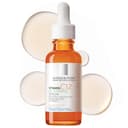
You want a high-strength vitamin C that also smooths: La Roche-Posay Pure Vitamin C12. A stated 12% ascorbic acid, second on the ingredient list, with salicylic acid and sodium hyaluronate in the brand’s stabilized base. Two caveats: the BHA makes it a two-in-one, which is only a plus if you are not already exfoliating elsewhere, and parfum is on the ingredient list, so it is not a fragrance-free pick. If you want the antioxidant combination with the strongest literature behind it instead — L-ascorbic acid with vitamin E and ferulic acid — best vitamin C serums names a mid-price serum that does it for less.
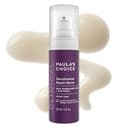
Dark spots are your main concern and your skin is dry: Paula’s Choice CLINICAL Discoloration Repair Serum. Niacinamide second, free tranexamic acid fourth, then an emollient antioxidant base of milk thistle seed oil, tocopherol, a coconut ferment filtrate, bakuchiol, allantoin and soybean sterols — twenty-nine ingredients, fragrance-free, and it doubles as the moisturizing step on dry skin. What the premium does not buy is disclosure: not one percentage is published for anything in it, which is why it is not the top pick on best tranexamic acid serums.
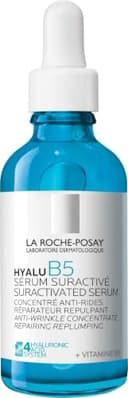
Your skin is dry and reactive and you want comfort:La Roche-Posay Hyalu B5. Two hyaluronic acid weights with vitamin B5 and madecassoside in a 50 ml bottle. The centella derivative is the differentiator and the hyaluronic acid content is not uniquely high; parfum is on the list here too. Buy it for the finish and the soothing extract, not because it hydrates better than a three-dollar serum, because it does not.
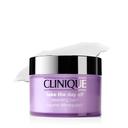
You wear long-wear or waterproof makeup:Clinique Take The Day Off Cleansing Balm. It dissolves in one pass what cheap balms leave behind, in a large tub, and nothing in the formula treats skin — it is a removal product priced like a prestige one. That is the whole case for it, and it is a good case if you own waterproof mascara and a bad one if you do not. The fragrance status is not published for this one, which matters if you are reactive. Read how to double cleanse for where it goes in the routine.
What we left off, and why
Sunday Riley Good Genesis the most famous luxury treatment we track and it is not on this page, for one reason: it does not publish a lactic acid percentage. On a page whose entire ranking rule is “what does the premium buy you,” an unquantified acid at a prestige price fails the test. That is not a claim that it does not work — we have not used it and we do not know — it is a claim that you cannot tell what you are buying. Our Good Genes alternatives page names five treatments that do print a figure, starting with one that puts 10% on the front.
La Mer, Augustinus Bader and Tatchaare absent for the same structural reason: the ingredient each is sold on — Miracle Broth, TFC8, Hadasei-3 — is proprietary and unquantified, so there is nothing on the label to evaluate. We have written each of those up as its own alternatives page rather than ranking them here: La Mer, Augustinus Bader and Tatcha. And if the brand you had in mind was Drunk Elephant, it publishes rather more than most of this tier — we go through it product by product in alternatives to Drunk Elephant.
We also left off every luxury product we could not verify as currently buyable. Each of the seven picks above carried a live, buyable retailer price on the build date, and every spec in each write-up was read from the listing or the published ingredient list. Where a brand does not publish a concentration, the spec table says not publishedrather than guessing — which, on a page about what expensive things are worth, is the most important column there is.