How to choose an anti-aging serum
1. Start from the evidence tier, not the marketing
Retinoids first. The published trials on topical retinoids for photoaging are the deepest body of evidence in cosmetic dermatology, and the American Academy of Dermatology’s own consumer guidance draws the distinction between prescription retinoids and over-the-counter retinol plainly. Vitamin C second, where the best-supported claim is antioxidant protection rather than line removal, and where the stabilized L-ascorbic-acid-plus-vitamin-E-plus- ferulic-acid combination is the form with the research behind it. Peptides and bakuchiol third, with real mechanisms and thin human data. If a serum is sold on an active that is not on that list, the burden of proof sits with the brand, not with you.
2. A published percentage is the only spec that means anything
Retinol works in proportion to how much of it you apply, which makes an undisclosed strength an undisclosed dose. Exactly one pick on this page publishes a plain retinol figure — The Ordinary’s 0.5% — and one publishes two figures at once, Paula’s Choice with 0.3% retinol and 2% bakuchiol on the label. Our top pick does not publish its percentage, and we record that as not published rather than estimating it. That is a genuine mark against it, and it is outweighed here by the encapsulation and the buffering actives, which are the reason people finish the bottle. Retinol strengths explains where to start and how far up to go.
3. Buy for the time of day you will actually use it
Retinoids are evening products: they are degraded by light and they sensitize skin. Vitamin C is a morning product, because its best evidence is photoprotective and it works alongside sunscreen rather than instead of it. That is not a rule somebody invented to sell two bottles — it is the practical reading of what each active does. If you only want one serum, pick the slot you will keep: a retinoid at night beats a vitamin C in the morning for lines, and neither beats wearing sunscreen. Our how to layer skincare page has the order and what not to mix with retinol has the conflicts.
4. Expect months, and expect to titrate
The retinoid trials that underpin this category run for months, not weeks, and the first three weeks of a retinol are usually the worst your skin will look. Start two nights a week, go up only when nothing is flaking, and keep a bland moisturizer in the routine the whole time. If you have tried and failed at this twice, the honest answer is not a stronger retinol — it is the buffered 0.3% pick, or a retinoid-free route. How often to use retinol and the retinol sandwich method are both written for exactly this problem.
5. Know what a serum cannot do
No serum on this page tightens loose skin, lifts anything, or replaces sunscreen. The single highest-value anti-aging product in any routine is a sunscreen you will wear daily, which is a boring answer and remains the correct one — best sunscreen for your face covers it. We are not clinicians and nothing here is medical advice; if you want a prescription-strength retinoid, that conversation is with a dermatologist.
Which of the seven is yours
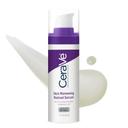
You have never used a retinoid:CeraVe Skin Renewing Retinol Serum. Encapsulated retinol with ceramides NP, AP and EOP, niacinamide and hyaluronic acid in a time-release base, fragrance-free, 30 ml. The percentage is not published, which we hold against it, and the formula is still the one most likely to survive contact with a real routine.
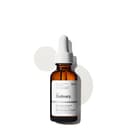
You want to know exactly what you are applying: The Ordinary Retinol 0.5% in Squalane. A stated 0.5% in a single-oil base, available in 0.2% and 1% as well so you can step up deliberately. It is pure retinol with no soothing actives in it, so pair it with a moisturizer rather than hoping for the best.
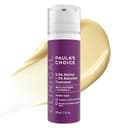
Retinol has already failed you once:Paula’s Choice CLINICAL 0.3% Retinol + 2% Bakuchiol. Both figures on the label, plus ceramide NG, four peptides, licorice root and oat kernel extract in a cushioned base. It is the most expensive retinoid here and what that buys is tolerability rather than potency, which is an honest trade if your last attempt ended in flaking.
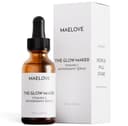
You want a morning serum:Maelove Glow Maker. A stated 15% L-ascorbic acid with vitamin E and ferulic acid — the combination the dermatology literature supports for stability and photoprotection — fragrance-free, 30 ml. It is not a wrinkle treatment and we will not sell it as one. Best vitamin C serums ranks the rest of that shelf.
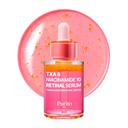
Lines and dark spots are the same project for you: PURITO TXA 6 Niacinamide 10 Retinal Serum. It prints both headline figures in the ingredient list itself — 6% tranexamic acid, 10% niacinamide — and adds retinal at a stated 25 ppm. Be clear about that last number: 25 ppm is 0.0025%, a trace dose, so treat this as a brightening serum that happens to contain a retinoid rather than as a retinoid treatment. Our retinol vs retinaldehyde comparison explains why the form matters as much as the number.
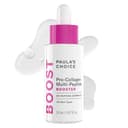
You want peptides on top of what you already use: Paula’s Choice Pro-Collagen Multi-Peptide Booster — palmitoyl tetrapeptide-72 amide, sh-polypeptide-121 and tridecapeptide-1 with polyglucuronic acid, fragrance-free, in a 20 ml booster meant to be mixed into another product. No peptide level is published, the bottle is the smallest here and the price is the highest, so buy it for the format and the formulation rather than because the price implies it works harder. Best peptide serums has the cheaper options.
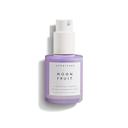
You cannot use a retinoid at all:Herbivore Moon Fruit 1% Bakuchiol + Peptides. A stated 1% bakuchiol — double the concentration used in the trial the whole category rests on — with no retinol in the formula. Two honest caveats: it is a 42-ingredient list that is mostly unquantified botanical extract, and the retailer describes it as fragranced with a subtle fruit scent, so it is not a fragrance-free pick. If you are avoiding retinoids because you are pregnant or nursing, read pregnancy-safe skincare and talk to your own clinician rather than taking a product page’s word for it. Best retinol alternatives compares the three non-retinoid routes against each other.
What we left off, and why
No collagen supplement, drink or “collagen serum” is on this page. Collagen molecules are far too large to cross the stratum corneum intact, so a topical collagen claim is a moisturizing claim wearing a costume — collagen, explainedsets out what the published work does and does not show. No growth factors either: the formulations we can buy are unquantified and the human evidence is thin. And no eye serum, because the eye area is a different buying problem with a different answer — best eye creams covers it, including the honest truth about dark circles.
We also left off everything we could not price or verify. Every pick above carried a live, buyable retailer price on the build date, and the specs in each write-up were read from the listing or the published ingredient list rather than from a brand’s marketing copy. Where a concentration is not published, the spec table says not published— an empty cell on this site is a finding, not a gap in our research.